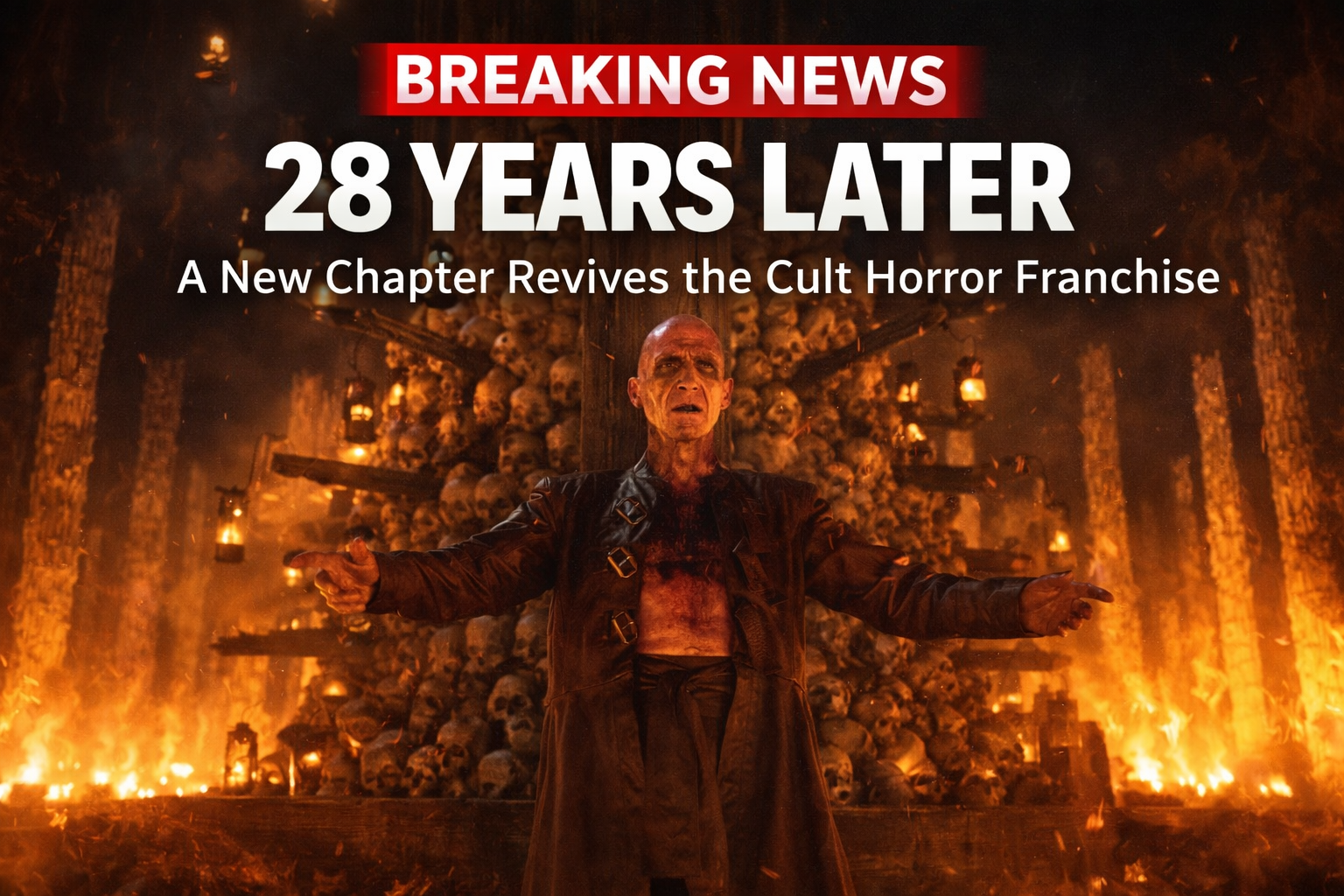
28 TEARS LATER INTRODUCTION
Nearly three decades after the original film changed the way audiences looked at zombie cinema 28 Years Later has suddenly become one of the most talked about global movie releases of the year The 28 Years Later is trending across entertainment platforms film festivals and search engines driven by early international reviews strong studio backing and renewed interest in long form horror storytelling
For Indian readers the buzz around 28 Years Later is not just about another Hollywood sequel It reflects a bigger shift in global cinema where legacy franchises are being reimagined for a new generation while retaining their raw emotional core With theatrical releases returning to strength and streaming platforms competing for premium content the timing of this film could not be more crucial
What Is Happening
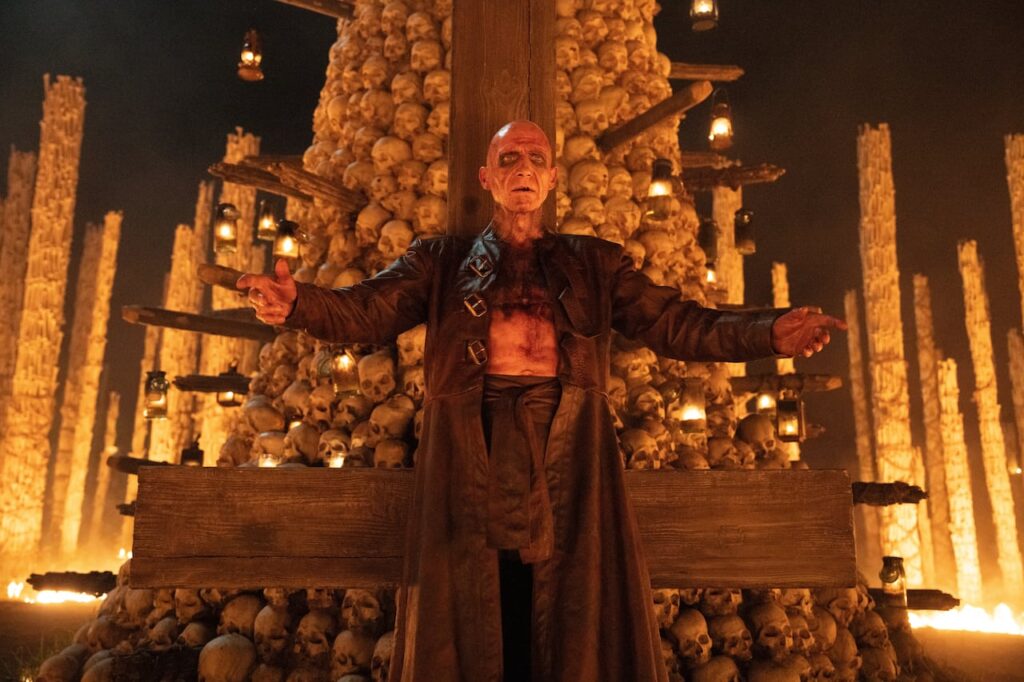
28 Years Later is the latest installment in the long running post apocalyptic horror franchise that began with 28 Days Later and continued with 28 Weeks Later The new film revisits a world permanently altered by a deadly rage virus focusing on survival moral decay and the cost of rebuilding civilisation
The project has gained attention due to its high profile creative team major studio distribution and early critical response from international media outlets Film trade publications have highlighted the movie as one of the strongest horror releases of the year praising its tone world building and thematic depth
Industry tracking reports indicate that the film is being positioned as a premium theatrical experience rather than a quick streaming release This aligns with statements from global cinema chains and production studios that have recently emphasised the importance of event films to bring audiences back to theatres after years of disruption
For Indian markets the film has already secured wide theatrical distribution across metro cities with dubbed and subtitled versions planned This shows clear confidence from distributors about its appeal beyond traditional horror audiences
Key Data and Statistics
The growing interest in 28 Years Later can be understood better through recent industry data
| Indicator | Data Point |
|---|---|
| Franchise age | 28 years |
| Global release markets | Over 60 countries |
| Estimated production budget | USD 75 million |
| Theatrical screens worldwide | Over 3500 |
| Horror genre growth post pandemic | 18 percent increase |
These numbers reflect a clear trend Horror films especially established franchises are seeing renewed commercial confidence The moderate budget combined with wide release reduces financial risk while increasing upside potential
For Indian exhibitors horror films with strong branding have shown higher occupancy in evening shows especially among urban youth This data explains why distributors are giving 28 Years Later a prominent release window
Why This Matters for India
The impact of 28 Years Later on India goes beyond box office numbers It highlights how Indian audiences are increasingly part of global pop culture conversations Simultaneous releases and social media discussions mean Indian viewers now engage with international cinema in real time
Economically Hollywood studio releases contribute significantly to multiplex revenues especially during non festive periods A strong performance by 28 Years Later could encourage more mid budget global films to prioritise Indian theatrical releases rather than skipping directly to streaming
From a creative perspective the popularity of post apocalyptic storytelling also influences Indian content creators Web series and independent films in India have already begun exploring darker survival driven narratives inspired by global trends
Policy wise the steady inflow of international films supports employment across exhibition marketing dubbing and distribution sectors reinforcing cinema as a key part of the creative economy
Industry and Expert Perspective
Film industry analysts have noted that legacy franchises like 28 Years Later succeed when they respect original material while addressing contemporary fears Reports from global entertainment research firms suggest audiences today are more receptive to horror films that explore psychological and social themes rather than relying only on shock value
Trade publications have also pointed out that the horror genre offers one of the best returns on investment in cinema due to controlled budgets and loyal fan bases This makes films like 28 Years Later attractive for studios navigating uncertain global markets
Indian film exhibitors have echoed similar views in recent industry conferences stating that Hollywood horror franchises perform consistently well in urban centres and help balance programming dominated by big budget action films
Challenges and Risks
Despite the strong buzz 28 Years Later faces several challenges Audience fatigue with sequels is a real risk especially among viewers unfamiliar with earlier films The franchise must also compete with both local Indian releases and big ticket international films during its release window
Another concern is censorship and content sensitivity Horror films often require careful editing to meet regional certification standards which can affect narrative flow Additionally ticket pricing remains a challenge in smaller cities limiting reach beyond metro audiences
From a critical standpoint maintaining originality while expanding a long established universe is difficult Any perceived repetition could impact word of mouth momentum
What Happens Next
In the short term industry attention will focus on opening weekend numbers and audience reception across key markets If early trends remain positive the film could see extended theatrical runs and premium format screenings
Long term the success of 28 Years Later may pave the way for further expansions including spin offs or streaming series This would align with current studio strategies of building interconnected story worlds
For India strong performance could encourage studios to invest more in targeted marketing collaborations and possibly even India specific promotional campaigns for future installments
Is 28 Years Later a direct sequel
Yes it continues the same universe building on events and themes established in earlier films
Do you need to watch previous films
Not mandatory but familiarity enhances understanding of the story world
Will 28 Years Later release in India
Yes it is scheduled for a wide theatrical release across major Indian cities
Is it suitable for all audiences
The film is intended for mature viewers due to intense themes and visuals
Why is the film getting so much attention
Strong early reviews franchise legacy and renewed interest in horror cinema
CONCLUSION
28 Years Later arrives at a moment when global cinema is rediscovering the power of well crafted genre storytelling Its blend of legacy and relevance has positioned it as more than just another sequel For Indian audiences and the wider film industry the movie represents how established franchises can evolve while remaining commercially and creatively viable
As discussions around 28 Years Later continue across platforms its performance will be closely watched not just as a film release but as a marker of where global entertainment is headed next