Three significant developments are commanding attention across financial markets and corporate boardrooms today. The Trump administration’s newly outlined defense spending framework signals potential shifts in federal contracting priorities. Meanwhile, evolving U.S. policy toward Venezuelan oil exports is creating uncertainty in energy markets. In the automotive sector, Ford Motor Company has announced a major expansion of its hands-free driving technology, marking another step in the competitive race toward vehicle automation.
These moves arrive as investors and industry analysts assess how policy changes and technological advancements will reshape business landscapes in 2025.
Trump Administration’s Defense Spending Framework
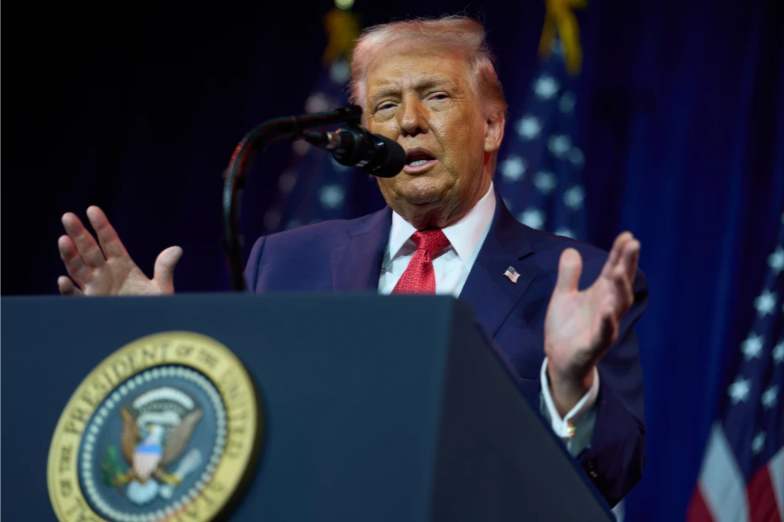
The Trump administration has released preliminary details of a defense modernization plan that prioritizes emerging technologies and reshapes procurement strategies. According to statements from Pentagon officials, the framework emphasizes artificial intelligence integration, cybersecurity infrastructure, and streamlined acquisition processes.
Defense Department representatives indicated the plan aims to reduce bureaucratic delays in contractor payments while increasing accountability measures for major weapons programs. The proposal includes provisions for accelerated testing protocols and expanded partnerships with technology firms outside traditional defense contractors.
Impact on Defense Contractors
Major defense stocks showed mixed reactions following the announcement. Analysts note the plan could benefit smaller technology-focused firms while potentially pressuring established contractors accustomed to lengthy development timelines.
“The shift toward rapid prototyping and commercial technology integration represents a fundamental change in how the Pentagon approaches modernization,” said Richard Aboulafia, managing director at AeroDynamic Advisory. “Companies that can adapt quickly to shorter development cycles may gain competitive advantages.”
The framework does not specify total spending levels, which remain subject to congressional appropriations. However, officials suggested the administration would seek funding increases for specific technology categories while maintaining overall defense budget discipline.
Congressional Response
Early reactions from Capitol Hill have been cautious. Members of the House Armed Services Committee indicated they would scrutinize how the plan affects jobs in their districts and whether proposed changes adequately address military readiness concerns.
Venezuelan Oil Sanctions Under Review
The administration is conducting a comprehensive review of sanctions on Venezuelan oil exports, according to sources familiar with policy discussions. The assessment comes as global energy markets continue adjusting to supply dynamics and geopolitical pressures.
Current sanctions significantly restrict Venezuela’s ability to export crude oil to international markets. Any modification could potentially add hundreds of thousands of barrels per day to global supply, though Venezuela’s production capacity has declined substantially over the past decade due to underinvestment and infrastructure deterioration.
Energy Market Implications
Oil market analysts are monitoring the situation closely. Benchmark crude prices have shown modest volatility as traders assess the likelihood and timing of any policy changes.
“Venezuelan production capacity is nowhere near historical levels, so even if sanctions were lifted entirely, the immediate market impact would be limited,” explained Amy Myers Jaffe, research professor at Tufts University’s Fletcher School. “The bigger question is whether international oil companies would be willing to invest in Venezuelan infrastructure given political risks.”
Venezuela’s state oil company, PDVSA, has struggled with operational challenges and financial constraints. Industry estimates suggest the country currently produces approximately 800,000 barrels per day, compared to over 3 million barrels daily two decades ago.
Geopolitical Considerations
Any sanctions relief would likely include conditions related to governance issues and political developments in Venezuela. U.S. officials have previously linked energy policy to broader diplomatic objectives in the region.
Energy companies with historical operations in Venezuela, including Chevron, have maintained limited presence under special licensing arrangements. Changes to the sanctions regime could influence corporate strategies for Latin American investments.
Ford Expands Hands-Free Driving Technology
Ford Motor Company announced plans to significantly expand availability of its BlueCruise hands-free driving system across its vehicle lineup. The technology, which allows drivers to remove their hands from the steering wheel on pre-mapped highways, will be available on additional models throughout 2025.
Technology Details
BlueCruise uses cameras and radar sensors combined with detailed mapping data to enable hands-free operation on over 130,000 miles of divided highways across North America. The system requires drivers to maintain attention on the road through monitoring technology that tracks eye position and head orientation.
Ford’s announcement includes plans to expand the mapped road network and introduce enhanced features through over-the-air software updates. The company stated the technology has accumulated hundreds of millions of miles in real-world operation since its 2021 launch.
Competitive Landscape
The move intensifies competition in advanced driver-assistance systems. General Motors offers similar technology through its Super Cruise system, while Tesla continues expanding its Autopilot and Full Self-Driving capabilities. Traditional automakers and technology companies are investing billions in autonomous driving research.
“Consumer acceptance of hands-free systems is growing as reliability improves and road coverage expands,” noted Sam Abuelsamid, principal analyst at Guidehouse Insights. “Automakers see these features as important differentiators in an increasingly competitive market.”
Safety and Regulatory Environment
Federal safety regulators continue monitoring advanced driver-assistance technologies. The National Highway Traffic Safety Administration has investigated several incidents involving various automated systems and maintains ongoing data collection requirements for manufacturers.
Ford emphasized that BlueCruise is a driver-assistance feature requiring active supervision, not an autonomous driving system. The company stated it follows all applicable regulations and continues working with safety authorities.
Market Reception
Automotive analysts view the expansion as part of Ford’s broader strategy to compete in technology-focused features that can generate recurring revenue through subscription services. BlueCruise is offered as a subscription after an initial trial period, creating a potential ongoing revenue stream.
Looking Ahead
These three developments illustrate the dynamic environment facing businesses and policymakers. Defense industry restructuring, energy policy evolution, and automotive technology advancement each carry significant implications for jobs, investment flows, and economic competitiveness.
Market participants will be watching for implementation details on the defense modernization plan, clarification of Venezuelan oil policy, and consumer adoption rates for Ford’s expanded driver-assistance technology. Each situation involves complex technical, political, and commercial factors that will unfold over coming months.
The intersection of government policy and corporate innovation continues shaping business strategy across multiple sectors, requiring companies to maintain flexibility as conditions evolve.
Claude is AI and can make mistakes.
Please double-check responses.