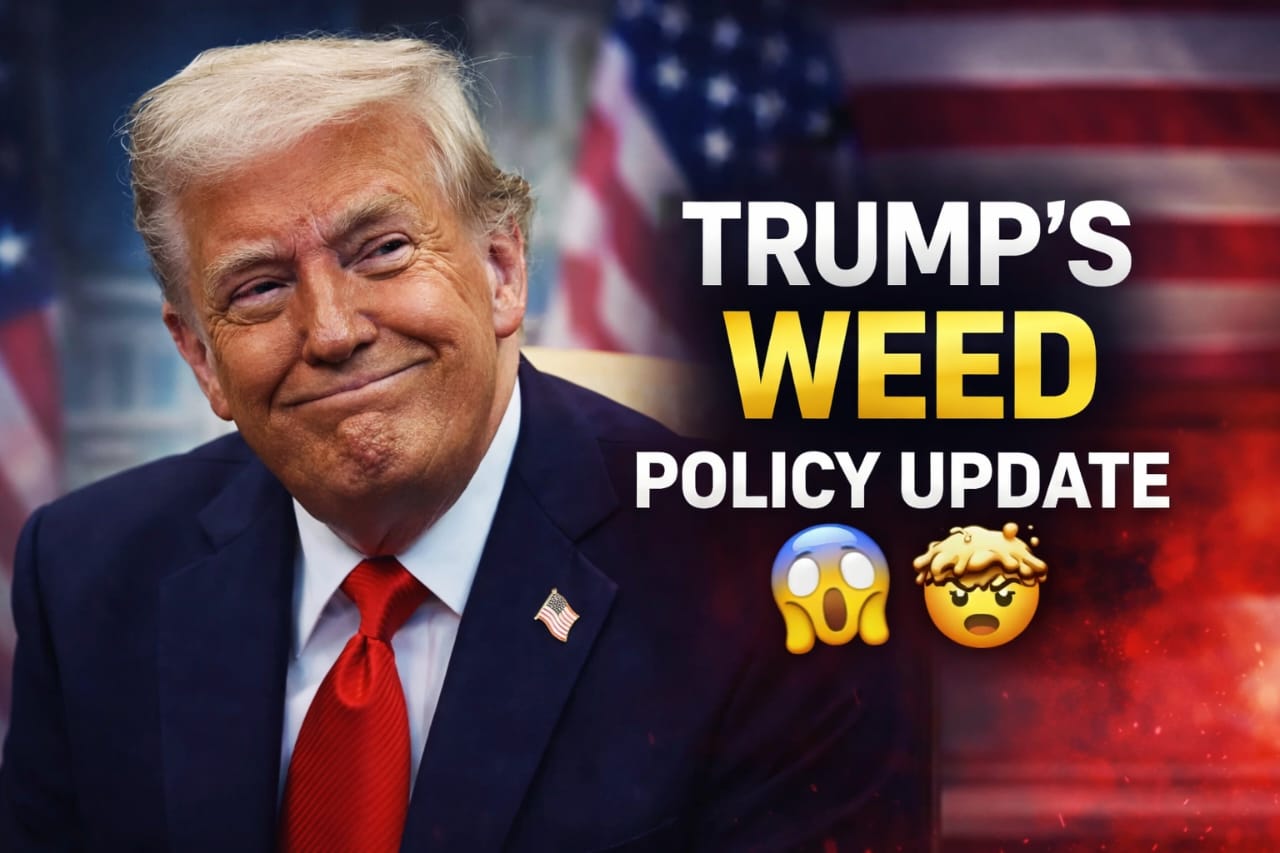
What Happens Next in US: Trump’s Weed Policy Update
The debate around marijuana laws in the United States has taken another major turn with Trump’s Weed Policy Update becoming a hot topic across political and social circles This policy shift has sparked intense discussion among lawmakers cannabis businesses medical professionals and everyday citizens
For decades marijuana has remained classified as a high risk substance under federal law despite growing acceptance at the state level Now this update signals a possible change in how the federal government views cannabis and its potential benefits
But what exactly does this policy update mean and what could happen next Let us break it down clearly and simply
Understanding Trump’s Weed Policy Update
At the heart of Trump’s Weed Policy Update is the rescheduling of marijuana under federal drug laws Cannabis has long been placed in the most restrictive category which limits research medical access and financial opportunities
The new approach suggests reconsidering that classification This does not automatically legalize marijuana nationwide but it opens the door for reform
This shift reflects growing public support for cannabis reform and pressure from states that have already legalized marijuana for medical or recreational use
Why This Policy Change Matters Now
The timing of this update is critical Public opinion has shifted dramatically in recent years A majority of Americans now support some form of marijuana legalization
Several factors make this moment significant
- Increased medical research showing benefits of cannabis
- Economic potential through taxation and job creation
- Criminal justice reform and reduced incarceration
- State level legalization creating federal conflicts
Trump’s Weed Policy Update responds to these realities while attempting to balance conservative and progressive viewpoints
How Federal Marijuana Classification Works
To understand the impact of this update it is important to know how drug scheduling works
Marijuana has been grouped with substances considered highly dangerous and without medical value This classification affects
- Scientific research approvals
- Banking access for cannabis businesses
- Interstate commerce
- Medical prescriptions
A change in scheduling does not mean full legalization but it reduces restrictions and allows further reforms to follow
Key Areas Impacted by the Policy Update
Medical Marijuana Expansion
One major result of Trump’s Weed Policy Update could be expanded access to medical marijuana Doctors may find it easier to prescribe cannabis based treatments and research institutions could conduct larger studies
Patients suffering from chronic pain epilepsy and other conditions could benefit directly
Cannabis Industry Growth
Rescheduling marijuana may unlock banking and investment opportunities Cannabis businesses often struggle due to federal restrictions
With reduced legal barriers the industry could see
- Safer financial transactions
- Increased investment
- Job growth across multiple sectors
Criminal Justice Reform
Marijuana related offenses have contributed to overcrowded prisons for decades Policy reform could reduce penalties for nonviolent offenses and address long standing concerns about fairness and inequality
This aspect has gained bipartisan attention and could be one of the most lasting impacts
Political Reactions and Public Response
The reaction to Trump’s Weed Policy Update has been mixed Supporters see it as a pragmatic step toward modernization Critics argue it does not go far enough
Some conservative groups worry about public health and youth exposure while reform advocates believe the move is overdue
Across social media and news platforms the topic continues to trend reflecting its importance in national discourse
What Happens Next in the Legal Process
Rescheduling marijuana is not an overnight change Several steps follow
- Federal agencies review scientific evidence
- Public comments may be invited
- Congress could introduce related legislation
- States adjust regulations accordingly
Trump’s Weed Policy Update may serve as a foundation rather than a final decision
Table Overview of Possible Outcomes
| Area | Current Situation | Potential Change |
| Medical Research | Highly restricted | Easier approvals |
| Cannabis Business | Limited banking access | Improved financial services |
| Criminal Penalties | Strict enforcement | Reduced sentences |
| Federal State Conflict | Ongoing legal tension | Better alignment |
Impact on State Legalization Laws
States that have already legalized marijuana could benefit from clearer federal guidelines This may reduce legal uncertainty and encourage compliance
However states that oppose legalization are unlikely to be forced into change Federalism still allows states to set their own rules
This balance is a key feature of Trump’s Weed Policy Update
Global Perspective on US Cannabis Policy
Internationally many countries are watching US policy closely American decisions often influence global trends
A shift in federal stance could
- Encourage international cannabis research
- Boost exports in the long term
- Improve diplomatic alignment with reform focused nations
Economic Implications Moving Forward
The cannabis market is already worth billions Rescheduling could accelerate growth significantly
Potential benefits include
- Increased tax revenue
- New employment opportunities
- Innovation in medical and wellness products
Supporters argue that Trump’s Weed Policy Update could strengthen the economy while modernizing outdated laws
Challenges and Criticism Ahead
Despite optimism challenges remain
- Regulatory complexity
- Public health concerns
- Political opposition
- Risk of slow implementation
These obstacles mean that real change will require sustained effort beyond announcements
Final Thoughts on the Future of Marijuana Policy
Trump’s Weed Policy Update marks an important moment in US cannabis history While it does not instantly legalize marijuana it signals a shift in federal thinking
What happens next will depend on lawmakers agencies and public engagement The update has opened the conversation and created momentum
For millions of Americans this policy change represents hope for reform economic opportunity and a more balanced approach to cannabis laws
As the process unfolds one thing is clear marijuana policy in the United States is no longer standing still