INTRODUCTION
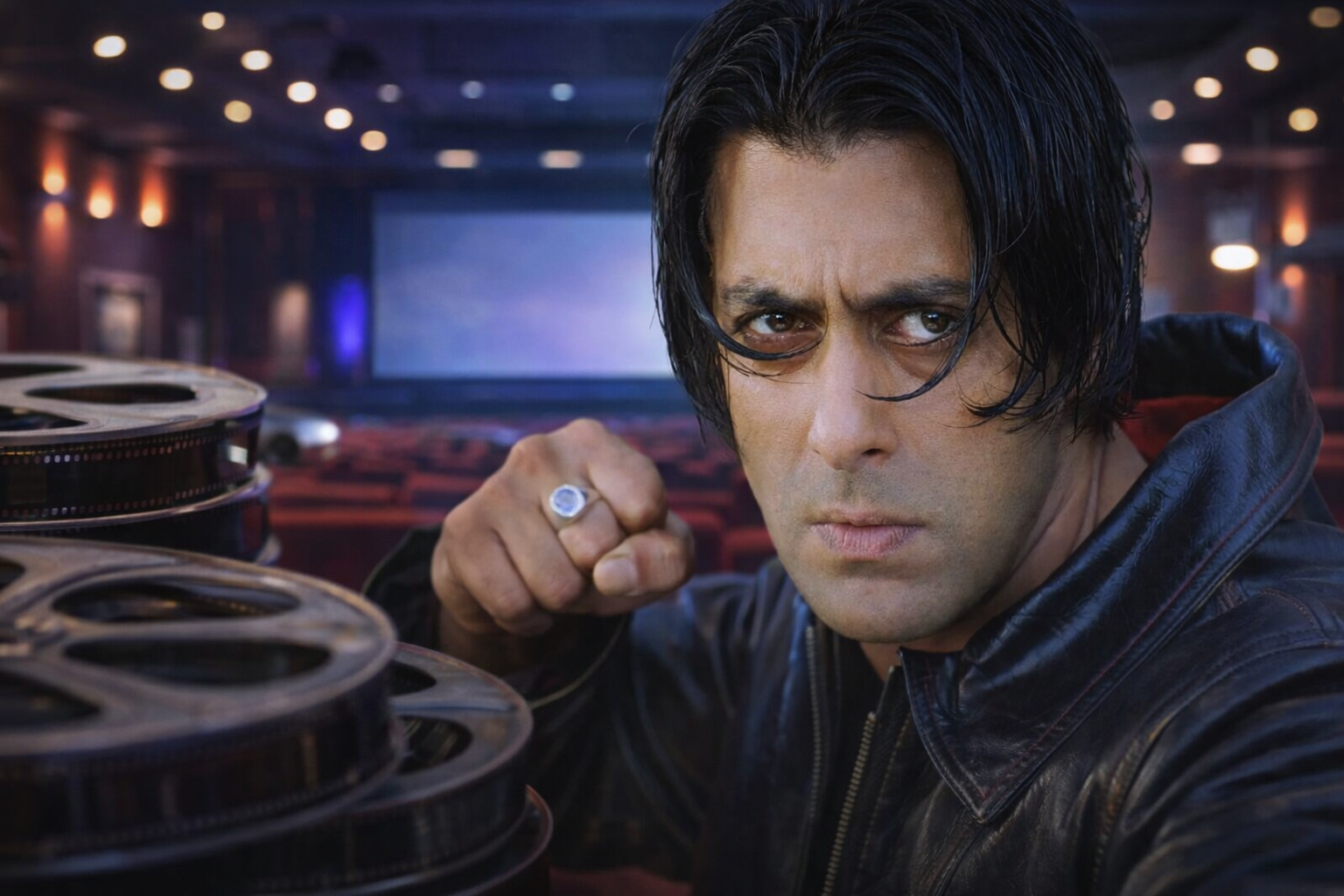
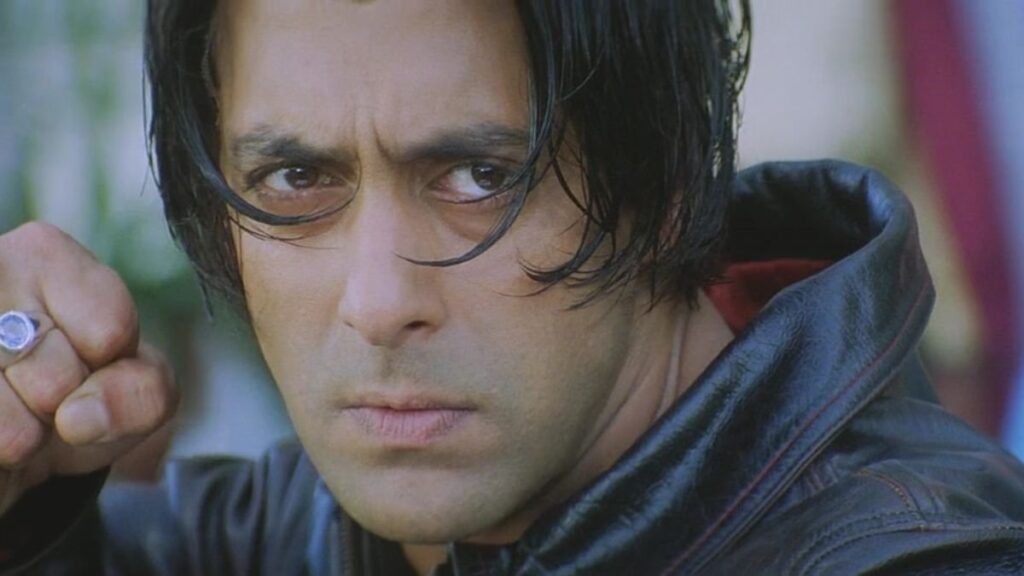
The announcement of Tere Naam Re Release has instantly stirred nostalgia across India, sending fans of Salman Khan into a frenzy and reviving conversations around one of Bollywood’s most emotionally charged films. Originally released in 2003, Tere Naam remains etched in popular culture for its intense love story, chart-topping music, and Salman Khan’s unforgettable portrayal of Radhe Mohan
More than two decades later, the decision to bring the film back to cinema halls is not just a sentimental move. It reflects a larger shift in the Indian film exhibition ecosystem, where re-releases of iconic titles are drawing surprising footfalls, especially among younger audiences discovering classics on the big screen for the first time
The timing of the Tere Naam Re Release is significant. With theatrical footfalls slowly stabilising after years of disruption and Bollywood searching for dependable box office draws, familiar and emotionally resonant films are emerging as safe bets. Trade analysts, exhibitors, and distributors are closely watching how audiences respond, as the outcome could influence future re-release strategies across the industry
What Is Happening
The Tere Naam Re Release refers to the renewed theatrical run of Salman Khan’s 2003 romantic drama in selected cinema halls across India. According to film trade reports and exhibition sources, the re-release is being planned as a limited-run engagement, primarily targeting metro cities and high-performing single-screen theatres with a strong nostalgia-driven audience base
The film, directed by Satish Kaushik and produced under the Nadiadwala banner, originally performed well at the box office and went on to achieve cult status over the years through television reruns and digital platforms. The renewed interest in theatrical re-releases has encouraged distributors to explore bringing such films back to the big screen, especially during periods with fewer major new releases
Industry insiders point out that the move aligns with a broader trend seen over the last two years, where re-released films have shown consistent performance in cinemas. Titles from different eras, genres, and languages have managed to pull audiences indicating that nostalgia when packaged well can still translate into ticket sales
While no aggressive promotional campaign has been announced the film’s organic recall value iconic soundtrack and Salman Khan’s enduring stardom are expected to do much of the heavy lifting
Key Data and Statistics
The rise of film re-releases in India is not based on sentiment alone. Industry data highlights a measurable trend that explains why Tere Naam Re Release is being viewed as a commercially viable move
| Metric | Data |
|---|---|
| Original Release Year | 2003 |
| Initial Box Office Collection | Approx ₹24 crore (India) |
| Years Since Original Release | 22 years |
| Average Ticket Price Increase Since 2003 | Over 300 percent |
| Growth in Re-Release Screen Count (2022–2025) | Approx 40 percent |
| Share of Single Screens in Re-Release Revenue | Around 55 percent |
Trade analysts explain that while absolute numbers may not match blockbuster releases, re-released films benefit from lower distribution costs, minimal marketing spend, and assured audience interest. Even modest collections can translate into profitable outcomes for exhibitors
In recent years, re-released films have reportedly earned between ₹2 crore to ₹10 crore depending on scale, city reach, and audience response. For a film with the cultural impact of Tere Naam expectations are naturally higher
Why This Matters for India
The Tere Naam Re Release is not just about one film returning to theatres. It reflects deeper shifts in how Indian audiences consume cinema and how the industry is adapting to changing viewing habits
For cinema hall owners, especially single-screen theatres struggling to compete with multiplex chains and streaming platforms, re-releases provide a steady revenue stream. These films attract audiences across age groups, from long-time fans revisiting memories to younger viewers curious about iconic titles they have only heard about
From an employment perspective, improved footfalls directly support jobs linked to cinema operations, including projection staff, ticketing, food and beverage services, and local marketing teams. At a time when the exhibition sector is still recovering from past disruptions, dependable content is crucial
Culturally, the return of Tere Naam reinforces Bollywood’s legacy storytelling. In an era dominated by high-concept action films and franchise-driven content, emotionally driven narratives continue to hold relevance, especially in India’s heartland markets
Industry and Expert Perspective
Film trade observers have repeatedly noted that re-releases work best when a film carries strong recall value. Salman Khan’s star power, combined with the film’s music and distinctive visual style, positions Tere Naam as an ideal candidate
Exhibitor associations have publicly stated in past reports that audiences are more willing to step out for films that promise familiarity and emotional comfort. This sentiment has been echoed by multiplex chains, which have experimented with curated classic film festivals and limited re-runs
Industry reports also indicate that actors with long-standing fan bases tend to perform better in re-release scenarios. Salman Khan, whose films continue to generate viewership across platforms, fits that profile perfectly. The Tere Naam Re Release is therefore being seen as a test case for how far nostalgia-led cinema can go in a changing market
Challenges and Risks
Despite the optimism, the Tere Naam Re Release is not without challenges. One key risk is screen availability. With new releases and regional cinema competing for space, re-released films often receive limited show timings, which can restrict overall collections
Another concern is audience fatigue. While nostalgia can draw crowds initially, sustained footfalls depend on word-of-mouth and viewing experience. Younger audiences, accustomed to modern filmmaking techniques, may find older pacing and storytelling styles less engaging
There is also the question of pricing. Higher ticket rates compared to 2003 could deter some viewers, especially in non-metro regions. Balancing affordability with profitability remains a delicate task for exhibitors
What Happens Next
In the short term, the performance of Tere Naam Re Release will be closely tracked by trade analysts. Strong opening weekend numbers could encourage an expansion into more cities and screens
In the long run, success could accelerate plans to re-release other iconic Hindi films from the early 2000s and 1990s era. Studios sitting on extensive libraries may see renewed value in their back catalogues, leading to structured re-release calendars rather than sporadic efforts
There is also growing discussion around digitally restored versions and enhanced sound formats to improve the theatrical experience of older films. If audiences respond positively, such investments may become standard practice
FAQs
Is Tere Naam re-releasing in all cinemas across India
The re-release is expected to be limited, with selected cinemas in major cities and strong single-screen markets
Why is Tere Naam being re-released now
The film’s cult status, combined with the success of recent re-releases, has made it commercially viable for theatres
Will the re-release include new scenes or edits
No official confirmation suggests any changes. The film is expected to remain faithful to its original version
Is this part of a larger Bollywood re-release trend
Yes, several classic films have returned to theatres in recent years due to renewed audience interest
How long will the re-release run
The duration will depend on audience response and box office performance
CONCLUSION
The Tere Naam Re Release marks more than the return of a beloved film to the big screen. It represents a strategic shift in Bollywood’s approach to theatrical content, where legacy films are finding fresh relevance in a competitive entertainment landscape
For Salman Khan fans, it is a chance to relive an iconic performance. For the industry, it is a valuable experiment in understanding audience behaviour and the enduring power of emotional storytelling Whether driven by nostalgia or curiosity the response to this re-release could shape how Indian cinema looks at its past while planning its future