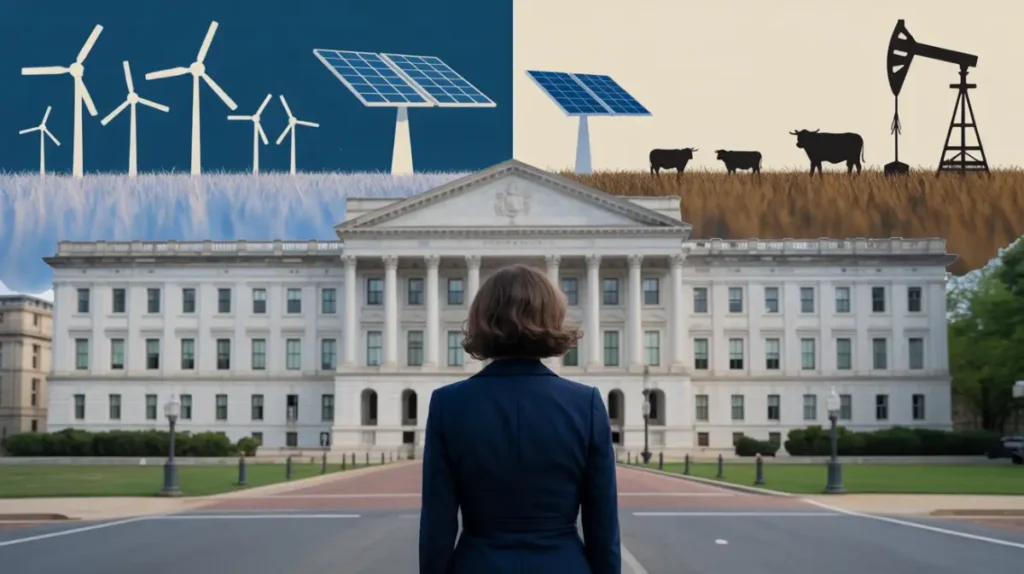
Karen Budd-Falen, President Trump’s nominee for Deputy Secretary of the Interior, faces scrutiny over an undisclosed consulting agreement that could influence federal land management and climate policy decisions affecting millions of acres of public lands.
Introduction
The confirmation process for Karen Budd-Falen has emerged as a pivotal moment for U.S. environmental governance. Senate Democrats and environmental advocacy groups have raised concerns about potential conflicts of interest stemming from her decades-long legal career representing ranching and mining interests against federal agencies. The controversy centers on whether her professional ties could compromise the Interior Department’s role in managing 500 million acres of federal land and advancing climate mitigation efforts.
The Interior Department oversees significant climate-related responsibilities, including renewable energy development on public lands, endangered species protection, and carbon sequestration programs. As the number three official, Budd-Falen would help shape policies affecting everything from solar and wind installations to oil and gas leasing.
Background on the Nominee
Karen Budd-Falen has built a 30-year career as a property rights attorney in Wyoming, specializing in natural resources law. Her firm, Budd-Falen Law Offices, has represented livestock producers, mining companies, and county governments in disputes with the Bureau of Land Management, Forest Service, and other federal agencies.
During the first Trump administration, she served on the Department of Agriculture’s Resource Advisory Committee, where she advocated for expanded livestock grazing and reduced environmental restrictions on public lands. Her appointment signals a potential shift toward prioritizing extractive industries and traditional land uses over conservation measures.
Environmental organizations have documented her involvement in more than 300 cases challenging federal environmental protections. These include lawsuits opposing critical habitat designations for threatened species and regulations limiting livestock impacts on public watersheds.
The Undisclosed Consulting Agreement
Senate Finance Committee records reveal that Budd-Falen maintained an ongoing consulting relationship with the Public Lands Council, a livestock industry lobbying group, through late 2024. The arrangement was not initially disclosed in her ethics filings submitted to the Office of Government Ethics.
The Public Lands Council represents ranchers who hold federal grazing permits across Western states. The organization has actively lobbied against proposed fee increases for grazing leases and opposed Bureau of Land Management conservation plans that would restrict livestock access to sensitive ecosystems.
Legal experts note that while the consulting work itself is not illegal, the lack of disclosure raises questions about transparency. Ethics regulations require nominees to report all sources of income exceeding certain thresholds and to recuse themselves from matters involving former clients for one year.
“Full financial disclosure is fundamental to the confirmation process,” said Virginia Canter, chief ethics counsel at Citizens for Responsibility and Ethics in Washington. “The public deserves to know whether a nominee’s past work creates potential conflicts with their official duties.”
Climate Policy Implications
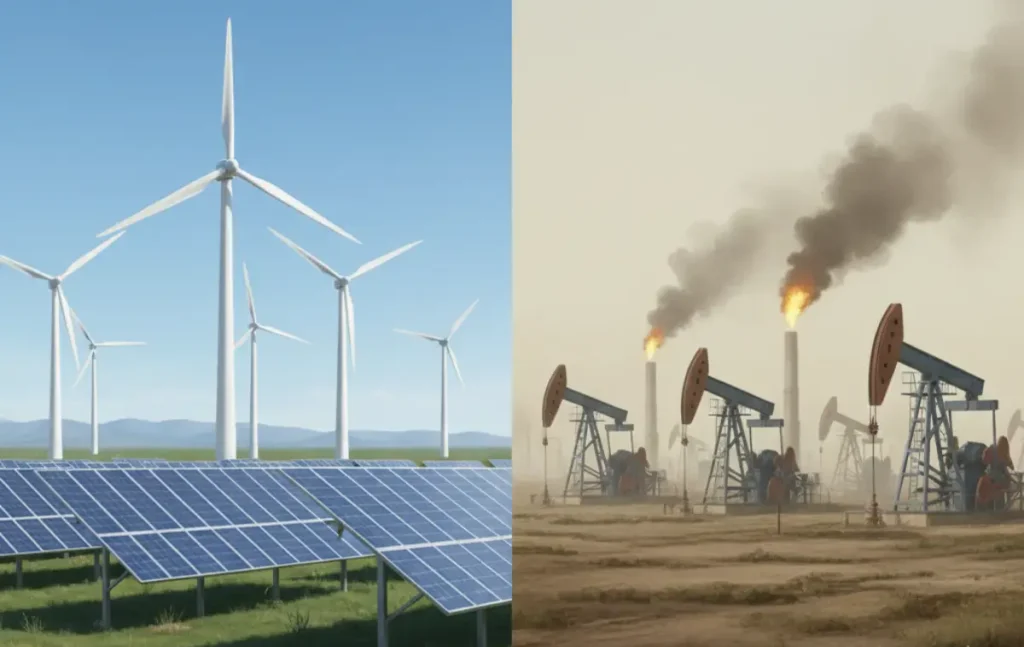
The Interior Department plays a central role in federal climate strategy. The agency manages renewable energy development on public lands, implements carbon capture programs, and protects ecosystems that serve as natural carbon sinks. It also continues to oversee fossil fuel extraction through oil and gas leasing programs.
Budd-Falen’s record suggests she may favor policies that expand resource extraction over conservation. During previous testimony before Congress, she argued that federal environmental reviews impose unnecessary delays on energy projects and livestock operations.
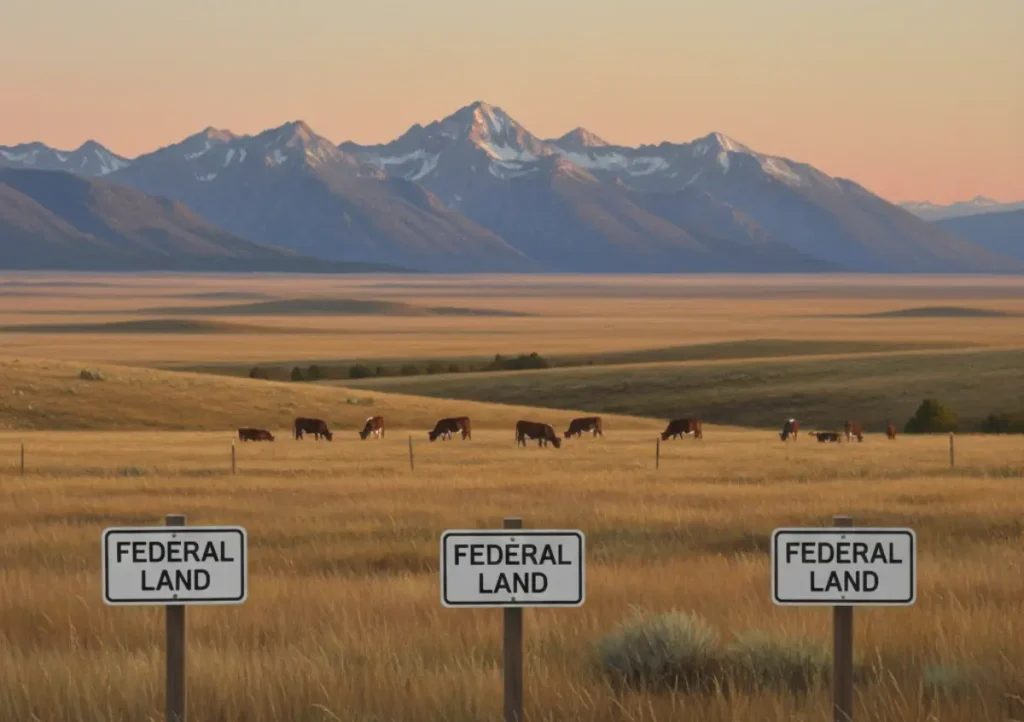
Climate advocates worry that her approach could slow the transition to renewable energy on public lands. The Bureau of Land Management has permitted over 40 gigawatts of solar and wind capacity on federal property since 2021, but processing times for new applications remain lengthy.
The Department also administers the Endangered Species Act on federal lands, making decisions that affect climate-vulnerable species like polar bears and coral reefs. Scientists have identified habitat protection as critical for helping wildlife adapt to changing climate conditions.
Industry Perspectives
Western ranching organizations have praised the nomination, arguing that Budd-Falen understands the economic challenges facing rural communities dependent on public land access. The National Cattlemen’s Beef Association called her “a strong advocate for balanced land management.”
Livestock grazing generates approximately $1 billion annually in economic activity across Western states, supporting thousands of ranching families. Industry representatives say federal regulations have become increasingly restrictive, threatening the viability of operations that have existed for generations.
Mining industry groups have similarly welcomed her nomination. The National Mining Association stated that her experience could help streamline permitting processes for critical minerals needed in battery production and renewable energy technologies.
However, renewable energy developers have expressed concerns that prioritizing fossil fuel and mining interests could create regulatory uncertainty for clean energy projects. The American Clean Power Association noted that consistent federal policy is essential for long-term infrastructure investments.
Economic and Market Impact
The Interior Department’s decisions affect approximately $75 billion in annual economic activity related to energy development, recreation, and resource extraction on federal lands. Policy shifts under new leadership could influence investment patterns across multiple sectors.
Oil and gas companies hold thousands of undeveloped leases on federal property. Enhanced access to these resources could affect domestic energy production levels, though market analysts note that global supply dynamics and private land drilling typically drive broader industry trends.
Conservation-focused businesses, including outdoor recreation companies generating $887 billion annually, depend on protected public lands. Industry executives have warned that reduced environmental safeguards could damage ecosystems that support tourism and recreation employment.
Financial markets have shown limited direct reaction to the nomination, but energy sector analysts are monitoring potential regulatory changes. Any significant shifts in renewable energy permitting timelines could affect project financing and deployment schedules.
Conclusion
Karen Budd-Falen’s nomination represents a test case for how personnel decisions influence environmental governance and climate policy implementation. The undisclosed consulting agreement highlights ongoing tensions between transparency requirements and the traditional revolving door between industry advocacy and government service. As the confirmation process continues, her responses to Senate questions about potential conflicts and policy priorities will help clarify the direction of federal land management during the next administration. The outcome carries implications for climate mitigation efforts, energy development, and the balance between conservation and resource use on America’s public lands.