INTRODUCTION
The Raja Saab OTT is suddenly one of the most discussed topics in Indian entertainment circles. The conversation picked up pace after reports suggested that the film could arrive on a streaming platform much sooner than a traditional theatrical window would normally allow. In an industry where big-budget films often rely on extended cinema runs, the idea of a quick OTT arrival has triggered strong reactions from fans, theatre owners, and trade analysts alike
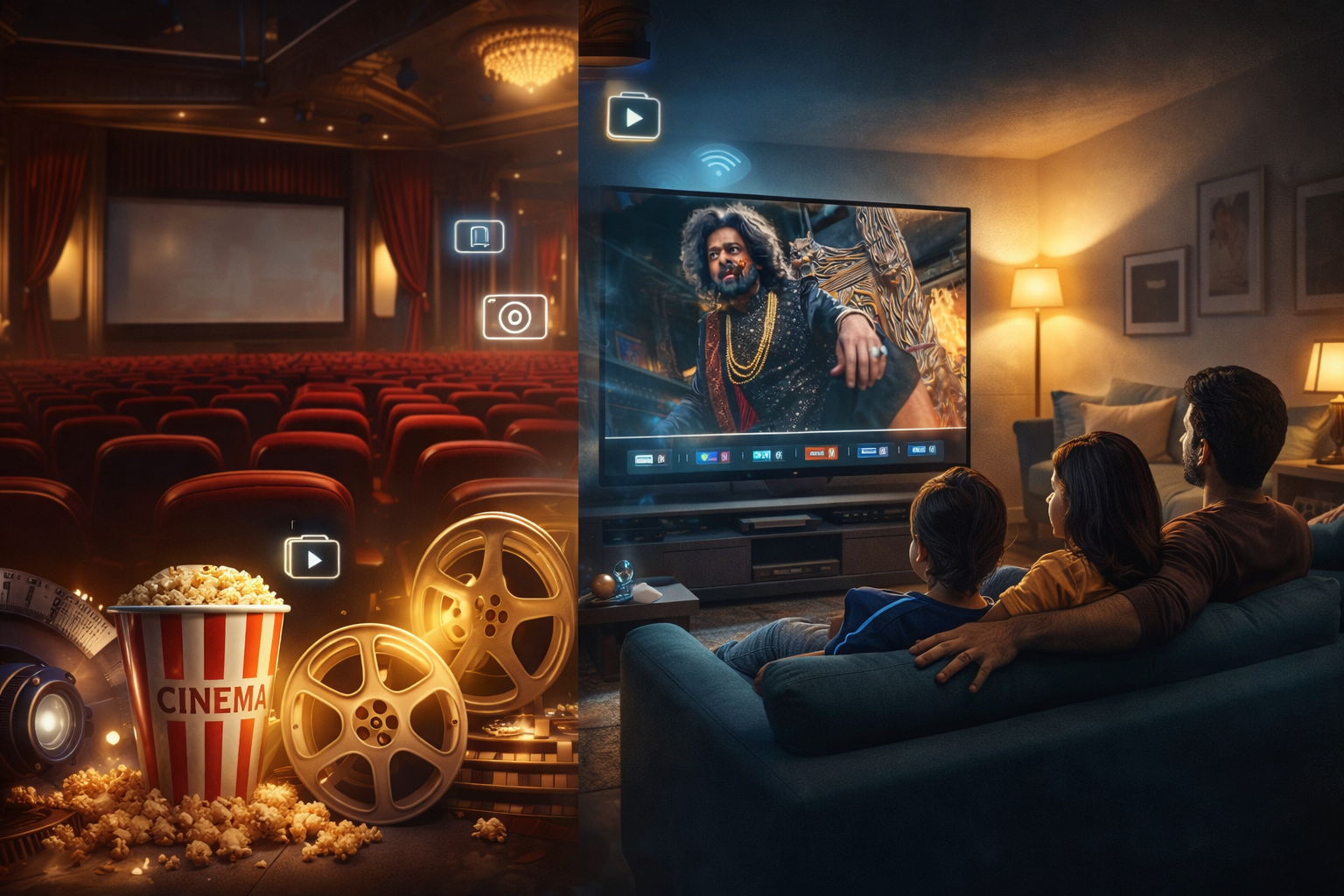
Why is this trending right now? Because it touches a nerve in the evolving relationship between cinema halls and streaming platforms. Indian audiences have grown comfortable watching new releases at home, and producers are increasingly factoring OTT deals into their recovery strategy. The Raja Saab OTT chatter has become a symbol of this wider shift
At a time when box office unpredictability is the new normal, every major film’s digital journey is closely tracked. The Raja Saab OTT discussion is not just about one movie it reflects how the Indian film ecosystem is recalibrating in the streaming era
What Is Happening
The Raja Saab is a high-profile Indian film that generated pre-release curiosity due to its scale, genre blend, and star value. Like many big releases today, it entered theatres with expectations of strong opening numbers and sustained footfall
However, the real story now revolves around its potential digital timeline. Conversations around The Raja Saab OTT indicate that the film’s streaming debut could be scheduled relatively soon after its theatrical release This is notable because major films earlier followed a longer gap before moving to digital platforms
In recent years, the standard theatrical window in India has steadily narrowed. Industry observers note that what used to be a 8–10 week gap has, in many cases, reduced to 4–6 weeks, and sometimes even shorter depending on box office performance
Multiplex associations and exhibitor groups have publicly expressed concerns in the past about quick OTT premieres. Their argument is simple shorter windows may discourage cinema visits, especially in the film’s later weeks. On the other hand, producers argue that OTT deals offer financial cushioning and reduce risk
The Raja Saab OTT debate sits right in the middle of this tug of war. It highlights how release strategies are now shaped by a mix of box office data, audience behaviour, and pre-signed streaming agreements

Data and Statistics
To understand why The Raja Saab OTT is such a talking point, it helps to look at broader industry numbers that define current trends
Here is a snapshot of commonly observed patterns in the Indian film market in recent years
| Metric | Typical Industry Range |
|---|---|
| Average theatrical window today | 4–6 weeks |
| Pre-pandemic window | 8–10 weeks |
| Share of revenue from non-theatrical rights for big films | 40–60% |
| Average urban ticket price in multiplexes | ₹120–₹250 |
| Percentage of urban viewers using OTT platforms | 65%+ |
| Major OTT platforms active in India | 10+ |
These numbers show how critical digital rights have become. For many big-budget films, satellite and OTT rights together can recover a large chunk of production costs even before theatrical release
That is why the timing of The Raja Saab OTT matters. It reflects how producers balance theatrical ambition with digital security
Why This Matters for India
The Raja Saab OTT conversation is bigger than just one film. It touches on several important aspects of India’s entertainment economy
Impact on Cinema Halls
Single screens and multiplex chains rely heavily on big releases to draw crowds. If audiences start expecting quick OTT availability, some may postpone theatre visits This can affect revenue, especially in smaller cities where repeat viewing drives profits
Impact on Producers
From a producer’s point of view, OTT deals reduce financial uncertainty. With rising budgets marketing spends, and unpredictable footfalls, guaranteed digital revenue provides stability
Impact on Viewers
Indian audiences today value convenience. Families often compare the cost of four movie tickets plus snacks with a monthly OTT subscription. For them, waiting a few weeks can make financial sense
Impact on Jobs and Industry Structure
The entertainment industry supports thousands of workers from projection staff to marketing teams. A healthy theatrical ecosystem helps sustain these jobs. At the same time, OTT platforms are creating new employment opportunities in production, writing, and post-production
In short, The Raja Saab OTT debate mirrors the transformation of India’s film economy
Industry and Expert Perspective
Trade analysts have repeatedly pointed out that the Indian market is in a transition phase. The pandemic accelerated OTT adoption, and habits formed during that time have not fully reversed.
Exhibitors often argue for a minimum exclusive theatrical window to protect cinema viability. Producers, meanwhile, prefer flexible strategies depending on a film’s performance trajectory.
Streaming platforms look at subscriber growth, regional penetration, and content diversity. Big star films help them attract attention and retain users That makes titles like The Raja Saab strategically valuable for digital players
Industry reports over recent years have highlighted that hybrid revenue models are here to stay. Theatrical success still brings prestige and visibility but digital rights are now an integral part of financial planning
The Raja Saab OTT discussion fits into this broader pattern where every major film becomes a case study in release strategy
Challenges and Risks
While quick OTT releases have advantages, they also carry risks
Revenue Cannibalisation
If audiences believe a film will arrive online soon, some may skip theatres entirely. This can dent box office collections
Perception of Performance
A very early OTT premiere can sometimes create a perception that a film underperformed theatrically, even if the overall recovery is healthy
Pricing Pressure
As more films sell digital rights, platforms become selective. Not every film can command premium deals forever
Content Overload
With many releases hitting streaming platforms, discoverability becomes a challenge. A film may get lost in the flood of new content
The Raja Saab OTT timing will therefore be watched closely as an indicator of how these risks are managed
What Happens Next
Looking ahead, several scenarios are possible
In the short term, more films may experiment with flexible windows. Big event films could still prefer longer theatrical runs, while mid-range films may go digital faster
In the long term, India could see a more structured window system where timelines vary by film scale, language market, and genre. Regional cinema growth and pan-India releases will also influence strategies
Technology will play a role too. Smart TVs, affordable data, and UPI payments have made streaming highly accessible. This strengthens the OTT ecosystem further
The Raja Saab OTT journey will likely be analysed by trade watchers as part of this evolving model
FAQs
Is The Raja Saab confirmed for an OTT release
Most major Indian films eventually release on OTT after theatres. Discussions around The Raja Saab OTT suggest a digital premiere is expected, though timing can vary
Why do films release quickly on OTT now
Shorter windows help producers secure revenue and match changing viewer habits
Do early OTT releases hurt theatres
Exhibitors believe they can, especially if audiences delay cinema visits
Are OTT deals important for big films
Yes, non-theatrical rights form a significant share of recovery for many projects
Will theatrical releases disappear in India
Unlikely. The cinema experience remains culturally strong, especially for big spectacles
CONCLUSION
The Raja Saab OTT conversation shows how Indian cinema is adapting to a new reality. Theatres, streaming platforms and producers are all trying to find the right balance between reach and revenue
For audiences, this shift offers more choice. For the industry, it demands smarter planning. Whether one prefers the big screen or the comfort of home viewing, there is no doubt that digital platforms are now a permanent pillar of film distribution
As the debate around The Raja Saab OTT continues, one thing is clear the future of Indian cinema will be shaped by how well it blends theatrical magic with digital convenience