Introduction
Federal student loan borrowers who have fallen behind on payments are now receiving official notices that their wages may be garnished, as the Trump administration moves to restart collection activities that were suspended for nearly four years. The Department of Education confirmed this week that it has begun the process of notifying defaulted borrowers about potential wage garnishment, tax refund offsets, and Social Security benefit reductions.
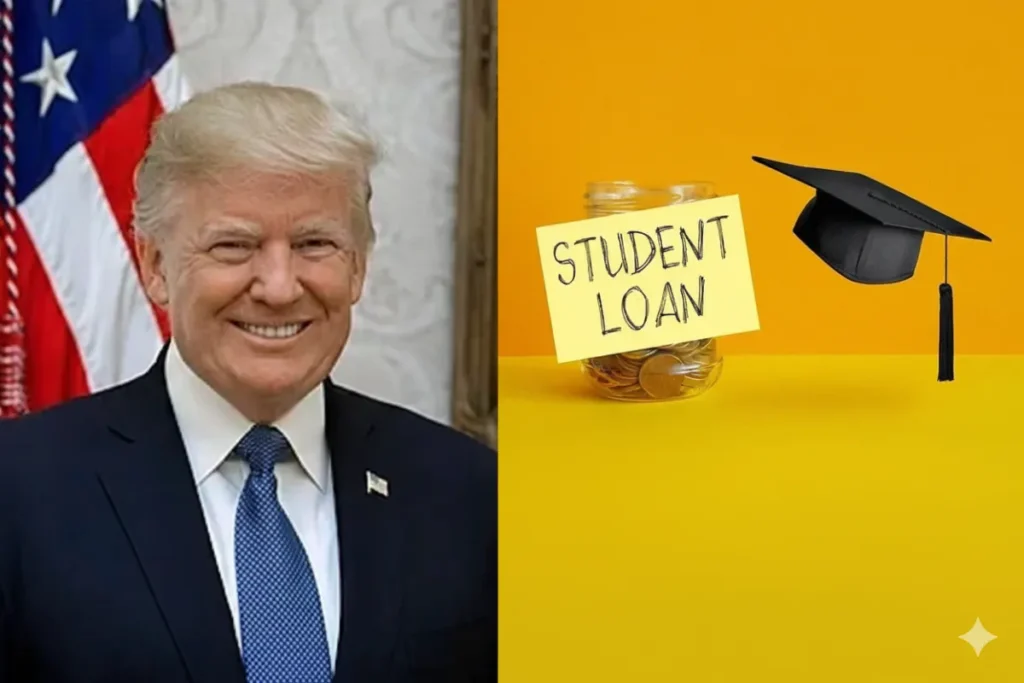
This development affects millions of Americans who stopped making payments during the COVID-19 pandemic and have not resumed since collection activities were paused in March 2020. The restart of these aggressive collection measures represents a significant shift in federal student loan policy and could have substantial financial implications for households already struggling with inflation and cost-of-living pressures.
Background on Student Loan Collections
Federal student loan collections were suspended in March 2020 as part of emergency pandemic relief measures. During this period, borrowers in default saw their wages, tax refunds, and Social Security benefits protected from government seizure. Interest did not accrue on defaulted loans, and credit reporting related to defaults was also paused.
The Biden administration extended these protections multiple times before implementing a new income-driven repayment plan called SAVE and offering a temporary “on-ramp” period that prevented borrowers from being reported to credit bureaus for missed payments. However, the SAVE plan has been blocked by federal courts, and the on-ramp period ended in September 2024.
According to Department of Education data, approximately 7.5 million borrowers were in default on their federal student loans before the pandemic. Default typically occurs after 270 days of non-payment on federal student loans.
Current Developments
The Department of Education has confirmed that notices are now being sent to borrowers who remain in default status. These communications outline the government’s intent to begin administrative wage garnishment, which allows the federal government to take up to 15 percent of disposable income directly from paychecks without obtaining a court order.
The notices provide borrowers with a 30-day window to request a hearing, enter into a repayment plan, or demonstrate financial hardship before garnishment begins. Borrowers also have the option to rehabilitate their loans by making nine voluntary payments within 10 months, which would remove the default status from their credit reports.
Federal Student Aid, the office within the Department of Education that manages student loans, stated that borrowers will have multiple opportunities to avoid garnishment by taking proactive steps. The agency emphasized that it encourages borrowers to contact their loan servicers to explore repayment options before collection actions proceed.
Economic and Market Impact
The resumption of wage garnishment could reduce disposable income for millions of American households at a time when consumer spending remains a critical driver of economic growth. Economists note that reduced household spending power could have ripple effects across retail, housing, and other consumer-dependent sectors.
Financial advisors and consumer advocates have expressed concern about the timing of these collection activities. Maria Thompson, director of policy at the National Consumer Law Center, stated that many borrowers are still recovering from pandemic-related job losses and wage disruptions. “Restarting aggressive collections now could push vulnerable households further into financial distress,” Thompson said in a statement.
The student loan servicing industry is also preparing for increased contact volume as borrowers seek information about their options. Major servicers including Mohela, Aidvantage, and EdFinancial have added customer service staff in anticipation of higher call volumes.
Challenges and Considerations
One significant challenge facing both borrowers and the Department of Education is outdated contact information. Many borrowers have moved or changed jobs since 2020, and notices sent to old addresses may not reach intended recipients. This could result in borrowers being garnished without having received proper notification.
Consumer protection groups have raised concerns about potential errors in the collection process. During previous periods of active collection, reports of improper garnishments and servicing mistakes were common. The Federal Student Aid Ombudsman previously documented hundreds of complaints related to collection activities.
Additionally, some borrowers may not understand their rights or available options. Financial counselors emphasize that borrowers facing garnishment have legal protections, including exemptions for those facing financial hardship and the ability to request hearings to contest the garnishment.
Implications for Borrowers and Policy
For the estimated 7.5 million borrowers who were in default before the pandemic, this development requires immediate attention. Those who have not already done so should verify their loan status, update contact information with their servicers, and explore repayment or rehabilitation options.
The broader policy implications remain under discussion. Student loan reform advocates argue that the system needs fundamental changes to prevent mass defaults in the future, including more accessible income-driven repayment plans and better servicer accountability. Meanwhile, fiscal conservatives contend that taxpayers should not bear the burden of unpaid loans and that collections are necessary to maintain the integrity of the federal loan program.
The Congressional Budget Office has estimated that defaulted federal student loans represent tens of billions of dollars in outstanding debt. Recovery of these funds could impact federal budget calculations, though the actual collection rate on defaulted loans has historically been relatively low compared to the total amount owed.
Conclusion
The Trump administration’s decision to resume wage garnishment for defaulted federal student loan borrowers marks a clear policy shift after years of pandemic-related collection pauses. With notices now being sent to millions of borrowers, those affected have a limited window to respond and explore alternatives before facing potential wage reductions. As this policy change unfolds, its effects on household finances and consumer spending will likely become more apparent in the coming months. Borrowers are encouraged to contact their loan servicers promptly to understand their options and avoid involuntary collection actions.